

.png)
The Essential Benefits of CPR Training for Employers and Their Workforce
- Jul 8
- 4 min read
Sudden cardiac arrest can happen anywhere, at any time, and often without warning. When it strikes in the workplace, the seconds that follow are critical. Employers who invest in CPR training equip their workforce with the skills needed to respond immediately, potentially saving lives. Beyond the obvious life-saving potential, CPR training offers a range of benefits that improve workplace safety, morale, and productivity.
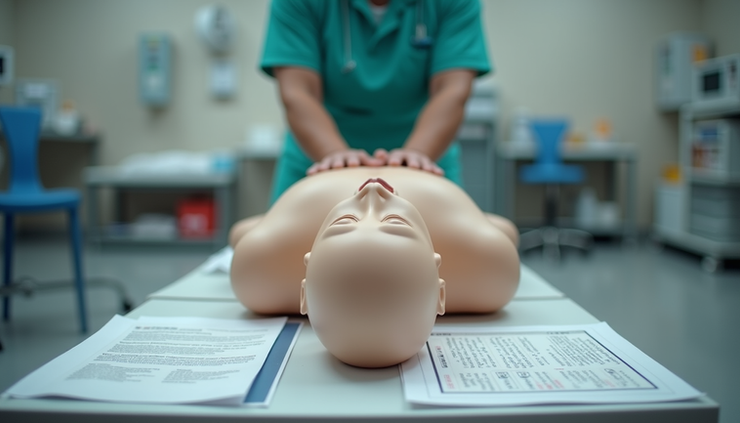
Why CPR Training Matters in the Workplace
Cardiac arrest is a leading cause of death worldwide. According to the American Heart Association, nearly 70% of cardiac arrests happen at home or in public places, including workplaces. Immediate CPR can double or triple a victim’s chance of survival. When employees know how to perform CPR, they become first responders who can act quickly before emergency medical services arrive.
Workplaces are diverse environments where people spend a significant portion of their day. This makes it essential for employers to prepare for emergencies. CPR training is a practical step toward creating a safer environment. It empowers employees to act confidently and reduces panic during critical moments.
Enhancing Employee Safety and Confidence
One of the most direct benefits of CPR training is improved safety. Employees trained in CPR can:
Recognize signs of cardiac arrest and respond appropriately
Provide chest compressions and rescue breaths effectively
Use automated external defibrillators (AEDs) if available
This knowledge builds confidence. Employees feel more secure knowing they can help colleagues or visitors in distress. Confidence in emergency response reduces hesitation, which is crucial during life-threatening situations.
Building a Culture of Care and Responsibility
CPR training fosters a culture where safety and care are priorities. When employers invest in this training, they send a clear message that employee well-being matters. This can improve workplace morale and strengthen team bonds. Employees often feel more valued and respected when their health and safety are taken seriously.
A culture of care also encourages employees to look out for one another. This sense of responsibility can extend beyond emergencies, promoting overall workplace wellness and cooperation.
Reducing Workplace Risks and Liability
Employers have a legal and ethical responsibility to provide a safe work environment. CPR training helps meet this obligation by preparing employees for emergencies. While it cannot prevent all accidents, it reduces the risk of fatal outcomes.
In some industries, CPR training is required by law or recommended by safety regulations. Even where it is not mandatory, having trained staff can reduce liability. If an emergency occurs, trained employees are less likely to make mistakes that could lead to legal complications.
Improving Emergency Preparedness and Response Time
Time is critical during cardiac arrest. Brain damage can begin within minutes without oxygen. Trained employees can start CPR immediately, maintaining blood flow until professional help arrives.
CPR training often includes instruction on using AEDs, which are designed to restore normal heart rhythm. Having employees skilled in AED use can significantly improve survival rates.
Employers who conduct regular CPR training and drills ensure that emergency response remains sharp. This preparedness can make a difference in outcomes during real incidents.
Positive Impact on Employee Productivity and Retention
Investing in CPR training can also benefit the business by boosting productivity and retention. Employees who feel safe and supported tend to be more engaged and motivated. They are less likely to take sick leave or leave the company.
Training programs like CPR also offer opportunities for professional development. Employees appreciate when employers provide valuable skills that extend beyond their job roles. This can improve loyalty and reduce turnover.
Cost-Effective Investment with Long-Term Benefits
Compared to other workplace safety measures, CPR training is relatively low cost but offers high value. Training sessions can be conducted on-site or through certified providers. Many organizations offer group discounts or tailored programs.
The long-term benefits include fewer workplace fatalities, reduced insurance costs, and a healthier workforce. These advantages often outweigh the initial investment.
Real-World Examples of CPR Training Saving Lives
Several documented cases highlight the importance of CPR training in workplaces:
In a manufacturing plant, an employee collapsed due to cardiac arrest. A coworker trained in CPR immediately started chest compressions and used the onsite AED. Emergency services arrived within minutes, and the employee survived without lasting damage.
A retail store manager performed CPR on a customer who suddenly collapsed. The quick response stabilized the customer until paramedics took over.
In an office setting, a receptionist trained in CPR saved a colleague who suffered a heart attack during a meeting.
These examples show how CPR training turns ordinary employees into lifesavers.
How Employers Can Implement Effective CPR Training
To maximize the benefits, employers should consider the following steps:
Partner with certified CPR training organizations
Schedule regular training sessions and refreshers
Include AED training as part of the program
Encourage all employees to participate, regardless of role
Conduct emergency drills to practice response skills
Provide accessible resources and materials for ongoing learning
By making CPR training a routine part of workplace safety, employers create a prepared and confident workforce.
Supporting Mental Health After Emergencies
Responding to a medical emergency can be stressful. Employers should also provide support for employees involved in such incidents. Offering counseling or debriefing sessions helps address emotional impacts and promotes recovery.
This support reinforces the culture of care and ensures employees feel safe both physically and mentally.



Comments